Consultations at Arvin Skin Hospital, Kabul
0766 005 356| Reception hours: 9:00 AM – 6:00 PM
Dr. Mohammad Arif Abid — Dermatologist & Cosmetologist Dr. Mohammad Arif AbidDermatologist & Cosmetologist
Dermatologist & Cosmetologist · Kabul, Afghanistan

Dr. Mohammad Arif AbidDermatologist & Cosmetologist

Over 25 years of experience in dermatology, skin health, hair disorders and aesthetic medicine

Dr. Mohammad Arif Abid is a dermatologist and cosmetologist practising in Kabul, Afghanistan. With more than 25 years of clinical experience, he provides professional consultation, diagnosis and management of a wide range of skin and hair conditions, alongside medical and aesthetic dermatology services.

His professional work emphasises accurate diagnosis, evidence-based treatment, patient education and individualised medical care.

25+ yearsClinical experience in dermatology
Dermatology & CosmetologyMedical and aesthetic skin care
Kabul, AfghanistanArvin Skin Hospital
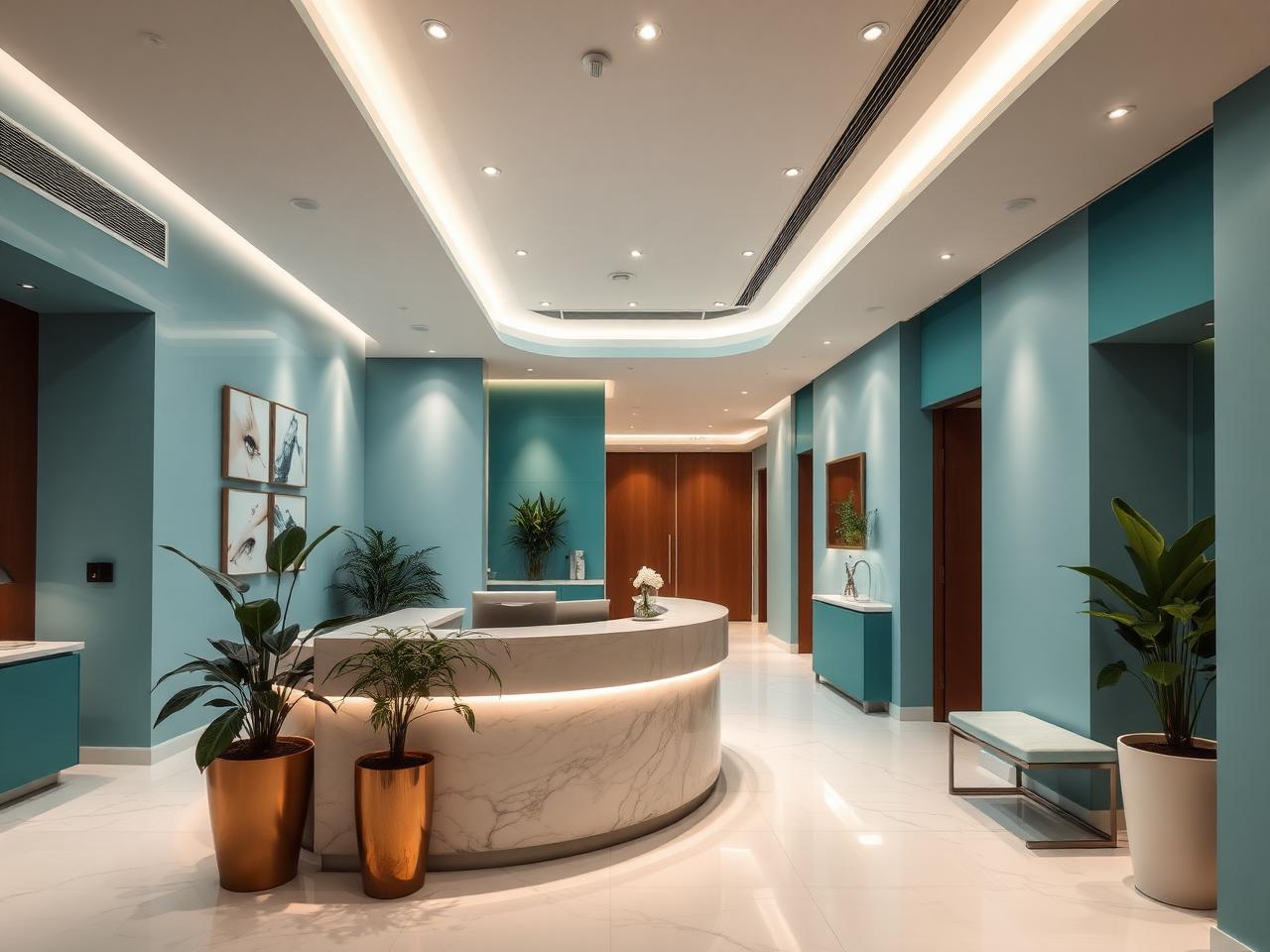
Clinic setting
25+ yearsClinical experience in dermatology
Clinic setting
About the doctor

Meet Dr. Mohammad Arif Abid

Dr. Mohammad Arif Abid is a dermatologist and cosmetologist working in Kabul, Afghanistan. Over more than 25 years of clinical practice he has built his work around careful physical examination, a clear explanation in the patient's own language, and a treatment plan that matches the individual rather than the label of the disease.

He is Director of Arvin Skin Hospital in Kabul. He is also the founder of Afghan Cosmetic Dermatology, an initiative that supports the development of aesthetic dermatology as a recognised medical discipline in Afghanistan, and he serves on the scientific committee of the Society of Afghan Dermatologists,.

His clinical interests include general and clinical dermatology, acne and acne scar management, hair and scalp disorders, pigmentation disorders such as melasma and vitiligo, inflammatory conditions including psoriasis, eczema and rosacea, medical laser procedures, cosmetic dermatology, and hair restoration.

A significant part of his practice is patient education. Many skin and hair conditions are chronic and relapsing, and patients who understand why a treatment is chosen tend to follow it better and judge its results more realistically. His consultations therefore include time for questions, written instructions and realistic expectations about what treatment can and cannot achieve.

Dr. Abid continues to take part in dermatology conferences, workshops and clinical training, both in Afghanistan and internationally. All qualifications, certifications, memberships and training records published on this website are listed only after documentary verification.

DirectorArvin Skin Hospital, Kabul
FounderAfghan Cosmetic Dermatology
25+ yearsClinical dermatology practice
Read Full Biography
Clinical dermatology

Skin Diseases: Diagnosis, Treatment & Patient Education

Skin conditions often look similar to each other but need very different treatment. The pages below explain what each condition is, how it is diagnosed and what treatment options exist, so you can prepare for a consultation with informed questions.

01

Acne and inflammatory acne

Acne is a disorder of the hair follicle and oil gland that causes blackheads, whiteheads, inflamed pimples and deeper nodules, mostly on the face, chest and back. It is very treatable, but the choice of treatment depends on the type and severity and on the risk of scarring.

Read the patient guide
02

Eczema and dermatitis

Eczema is an itchy inflammation of the skin that makes it dry, red and cracked, and it often runs in families together with asthma or allergic rhinitis. Treatment combines daily skin care with anti-inflammatory medicines and avoidance of the specific triggers identified in your case.

Read the patient guide
03

Psoriasis

Psoriasis is a long-term immune-mediated condition that produces well-defined red plaques with thick silvery scale, typically on elbows, knees, scalp and lower back. It is not contagious, and modern treatment can control it very well, including in moderate to severe forms.

Read the patient guide
04

Vitiligo

Vitiligo is the loss of pigment-producing cells, producing sharply defined pale or white patches on otherwise normal skin. It is not infectious and not dangerous to general health, but it can affect confidence; treatment aims to stop progression and repigment where possible.

Read the patient guide
05

Rosacea

Rosacea causes persistent redness and flushing of the central face, with visible small vessels, pimples and sometimes eye irritation. It is a chronic condition that is managed rather than cured, and everyday triggers such as heat and sun matter as much as medicines.

Read the patient guide
06

Melasma and pigmentation disorders

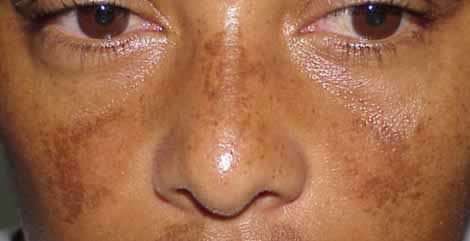
Melasma is a patterned brown pigmentation of the face, commonly on the cheeks, forehead and upper lip, and it is strongly influenced by sun exposure and hormones. It requires long-term sun protection and a staged treatment plan, and early unrealistic expectations are the main reason for disappointment.

Read the patient guide
07

Fungal skin infections

Fungal infections of the skin, scalp, nails and groin cause scaling, itching and colour change and are confirmed by examination rather than appearance alone. Most respond well to the correct antifungal for an adequate duration, and treating only the visible patch is a common cause of recurrence.

Read the patient guide
08

Urticaria and allergic skin conditions

Urticaria produces raised, itchy wheals that move around and usually resolve within 24 hours at each site, while other allergic reactions cause redness, swelling or contact dermatitis. Most cases are managed with antihistamines, and a cause is identified in only a minority of patients.

Read the patient guide
09

Skin infections

Bacterial and viral skin infections include impetigo, folliculitis, boils, herpes and warts. They need accurate identification because antibacterial, antiviral and destructive treatments are not interchangeable, and some infections require assessment of household contacts.

Read the patient guide
10

Benign skin growths and common disorders

Benign growths such as moles, skin tags, seborrhoeic keratoses, cysts and dermatofibromas are common and usually harmless. Any changing, bleeding or newly irregular lesion should be examined, because the priority is to exclude skin cancer before considering removal for comfort or appearance.

Read the patient guide
Explore All Skin Diseases
Hair and scalp

Hair Loss, Scalp Disorders & Hair Restoration

Hair loss is a symptom, not a diagnosis. Pattern hair loss, immune-mediated patchy loss, temporary shedding, scalp inflammation and scarring alopecia look different on examination and respond to entirely different treatments. Diagnosis determines treatment selection, and not every patient needs hair transplantation.

Androgenetic alopecia

Gradual thinning in a patterned distribution related to genetic sensitivity to androgens. Medical treatment can slow progression and partly restore density, and it works best when started early.

Read the patient guide →

Alopecia areata

Well-defined round patches of hair loss without scarring, caused by an immune reaction to the hair follicle. Many patches regrow spontaneously, while extensive forms need medical treatment.

Read the patient guide →

Telogen effluvium

Diffuse shedding two to four months after a trigger such as illness, surgery, childbirth, iron deficiency, rapid weight loss or severe stress. It usually recovers once the cause is corrected.

Read the patient guide →

Scalp inflammation

Seborrhoeic dermatitis, folliculitis and psoriasis of the scalp cause itching, flaking and sometimes temporary shedding. The scalp must be treated before any restoration procedure.

Read the patient guide →

Hair transplantation

Follicular unit transplantation moves genetically stable hair from the back of the scalp to thinning areas. It redistributes existing hair rather than creating new hair, and results depend on donor density and pattern.

Read the patient guide →

PRP and adjunct procedures

Platelet-rich plasma and similar adjuncts are used by some clinics alongside medical treatment. Evidence is limited and inconsistent, results are modest, and they are not a substitute for established therapy.

Read the patient guide →
Suitability for any hair restoration procedure is decided only after scalp examination, assessment of donor area and review of medical history.
Explore Hair Health
Aesthetic dermatology & laser

Medical Aesthetics & Laser Dermatology

Aesthetic dermatology is medical treatment of appearance. Each procedure below has a defined purpose, suitable candidates, contraindications and limits. Every service listed is offered at our hospitals; availability and suitability are confirmed during consultation.

01

Fractional CO₂ laser

Resurfacing that creates controlled micro-injuries to stimulate collagen. Used for acne scars, texture and some pigmentation. Needs several sessions, downtime of days to weeks and strict sun protection; darker skin types require modified settings.

≈ 30–45 min5–7 days redness3–4 sessions
Read the patient guide →
02

Acne scar treatment

Combination planning — subcision for tethered scars, laser or microneedling for surface texture, and fillers for volume loss. Most scars improve substantially rather than disappear completely.

CombinationVaries by methodMultiple stages
Read the patient guide →
03

Subcision

A small needle releases fibrous bands that pull acne scars down. Best for rolling and tethered scars; bruising is expected and results improve over weeks.

≈ 20–30 min3–7 days bruising2–3 sessions
Read the patient guide →
04

Microneedling

Fine needles create micro-channels to stimulate collagen, often combined with topical actives. Suitable for texture, pores and mild scarring; not for active infection or unstable skin disease.

≈ 30–45 min1–3 days redness3–6 sessions
Read the patient guide →
05

Chemical peeling

Controlled application of an acid to remove damaged layers. Superficial peels have minimal downtime; medium peels need caution and are not suitable for every skin type.

≈ 20–40 min2–7 days peeling4–6 sessions
Read the patient guide →
06

Laser hair reduction

Selective heating of pigment in the follicle to reduce hair growth over a series of sessions. Reduction rather than permanent removal is the realistic goal, and results vary by body site, hair colour and hormones.

≈ 15–60 minNone to 24 hours6–8 sessions
Read the patient guide →
07

Botulinum toxin (Botox)

Prescription injections that temporarily relax specific facial muscles to soften dynamic lines. Effect lasts months and requires repeat treatment; it is not a substitute for skin quality care.

≈ 15–30 minImmediateEvery 3–4 months
Read the patient guide →
08

Dermal fillers

Hyaluronic acid gel restores volume and supports facial contours. Performed by a physician with knowledge of vascular anatomy; serious complications are uncommon but possible and must be managed.

≈ 30–60 min1–3 days swelling6–18 months
Read the patient guide →
09

Pigmentation treatment

Staged approach to melasma, post-inflammatory marks and sun damage combining sun protection, topical agents and gentle devices. Recurrence is common if sun protection lapses.

CombinationVariesOngoing plan
Read the patient guide →
10

Skin rejuvenation

Improves tone, pores and fine lines using non-surgical methods chosen for your skin type. Maintenance sessions are part of the plan, not an optional extra.

≈ 30–60 min0–3 daysMaintenance
Read the patient guide →
11

Tattoo removal

Q-switched and picosecond lasers break ink into fragments cleared by the body. Multiple sessions are needed; complete clearance is not guaranteed and some colours respond slowly.

≈ 10–30 min3–7 days6–12 sessions
Read the patient guide →
12

Hair restoration procedures

Surgical and non-surgical hair restoration selected after scalp assessment. Medical therapy is usually continued after transplantation to protect the result.

Varies7–14 daysPer plan
Read the patient guide →
No procedure on this page guarantees complete removal, permanent results or freedom from complications. Individual outcome depends on skin type, medical history, technique, aftercare and adherence to follow-up.
View Aesthetic Procedures
Medical knowledge centre

Dermatology Knowledge & Evidence-Based Medical Articles

Articles written for patients and referring clinicians, reviewed against current dermatology guidance and updated when practice changes. Each article names its author, and the review date so you can judge how current it is.

Read Article

Acne: Causes, Types and Treatment

Why acne happens, how mild, moderate and severe acne differ, which ingredients actually work, and when oral treatment is justified rather than delayed.

Dr. Mohammad Arif AbidMedically reviewed: 202612 min
Read Article

Acne Scars: Subcision, Laser and Combination Treatment

Why scars are classified before treatment, why a single device rarely solves them, and what realistic improvement looks like for rolling, boxcar and ice-pick scars.

Dr. Mohammad Arif AbidMedically reviewed: 202614 min
Read Article

Melasma: Diagnosis and Treatment

How melasma is distinguished from other facial pigmentation, why it relapses, and how sun protection, topicals and gentle devices are sequenced over months.

Dr. Mohammad Arif AbidMedically reviewed: 202611 min
Read Article

Psoriasis: Symptoms and Management

Recognising plaque psoriasis, the joints and metabolic conditions that travel with it, and the stepwise approach from topical treatment to systemic therapy.

Dr. Mohammad Arif AbidMedically reviewed: 202613 min
Read Article

Hair Loss: Causes and Medical Evaluation

A structured approach to hair loss: pattern assessment, shedding history, blood tests worth doing, and why the scalp must be examined before any procedure.

Dr. Mohammad Arif AbidMedically reviewed: 202610 min
Read Article

Vitiligo: Modern Treatment Options

How vitiligo is confirmed, what stabilises active disease, and the realistic role of phototherapy, topical treatment and surgical repigmentation.

Dr. Mohammad Arif AbidMedically reviewed: 202612 min
Reference sources for our articles include the American Academy of Dermatology (AAD) guidelines, the Journal of the American Academy of Dermatology (JAAD), the British Journal of Dermatology (BJD), PubMed-indexed studies and current clinical guidelines. Articles are educational and are not a substitute for individual assessment.
Visit Medical Library
Professional experience & education

Professional Experience, Training & Scientific Activities

A record of clinical practice, hospital leadership and continuing medical education. Only verified documents are published; entries still awaiting documentary confirmation are listed in the verification checklist rather than presented as fact.

25+ years

Clinical dermatology practice

Continuous clinical practice in dermatology, including diagnosis, medical treatment, laser procedures and aesthetic dermatology.

Director

Arvin Skin Hospital, Kabul

Clinical leadership and oversight of dermatology, laser and hair restoration services at Arvin Skin Hospital.

Founder

Afghan Cosmetic Dermatology

An initiative to develop aesthetic dermatology as a recognised medical discipline in Afghanistan.

Member

Society of Afghan Dermatologists, scientific committee

Participation in dermatology scientific activity and professional standards in Afghanistan. Exact official title pending verification.

Training

International clinical training 2018

Hair restoration training completed in India in 2018. Certificate to be published after verification against professional records.

Professional photographs from conferences, workshops and certificates are published only after approval and verification.
View Professional Profile
Patient education

Dermatology Videos & Patient Education

Short vertical videos for quick questions, and longer landscape lectures for colleagues and students. Each video carries a title, a short summary and a transcript where available.

Video previews shown here are placeholders for the education library. Thumbnails, transcripts and structured video data are added when the official channel videos are published.
Watch All Videos
Consultation locations

Where to Consult Dr. Abid

Dr. Abid consults at two hospitals in Kabul. Schedules differ between locations and change with operating lists, so please confirm the doctor's availability and your appointment directly with reception before travelling.

Arvin Skin Hospital — Dehbory Square, Kabul, Afghanistanit is the hospital where Dr. Abid serves as Director

Arvin Skin Hospital

Dehbory Square, Kabul, Afghanistan

Address
Dehbory Square, Kabul, Afghanistan
Services
Dermatology consultation, laser and rejuvenation, hair restoration, aesthetic procedures, pigmentation care
Consultation schedule
Confirm with reception before visiting
Contact
0766 005 356
Dr. Abid is not present at both hospitals at all times. Contact information and hours listed here come from the hospitals' official websites and should be confirmed directly.
Patient education

Frequently Asked Questions

Short, clear answers to the questions patients ask most often before a first consultation.

Who is Dr. Mohammad Arif Abid?
Dr. Mohammad Arif Abid is a dermatologist and cosmetologist practising in Kabul, Afghanistan, with more than 25 years of clinical experience. He is Director of Arvin Skin Hospital and founded Afghan Cosmetic Dermatology.
Where does Dr. Abid practice in Kabul?
He consults at Arvin Skin Hospital in Dehbory Square, Kabul. Please confirm the doctor's availability and your appointment with reception before travelling.
How can I book a dermatology consultation?
Contact hospital reception by phone or WhatsApp. For Arvin Skin Hospital call 0766 005 356. An appointment request is confirmed only after reception replies.
What skin diseases does Dr. Abid treat?
Acne and acne scars, eczema and dermatitis, psoriasis, vitiligo, rosacea, melasma and other pigmentation disorders, fungal and bacterial infections, urticaria and allergic skin conditions, benign skin growths, and hair and scalp disorders.
What are the available treatments for acne scars?
Acne scars are classified first, because tethered scars, rolling scars and ice-pick scars respond to different methods. Options include subcision, fractional laser, microneedling and fillers, usually combined over several sessions. Improvement is substantial in most patients, but complete removal is not a realistic promise.
How is hair loss evaluated?
Evaluation includes the pattern and duration of loss, shedding history, scalp examination, family history, medication review and, where relevant, blood tests such as ferritin, thyroid function and vitamin D. Treatment is chosen after the type of hair loss is identified.
When should I consult a dermatologist?
Consult when a skin problem persists beyond a few weeks, spreads or changes rapidly, bleeds or becomes painful, when a mole changes in shape or colour, when hair loss is noticeable, or when over-the-counter treatment has not helped.
Are laser procedures suitable for every skin type?
No. Laser is effective and generally safe when parameters are chosen for your skin type, but darker skin carries a higher risk of post-inflammatory pigmentation and requires different settings. Some active skin conditions and pregnancy are contraindications, and suitability is decided at consultation.
Can patients access medical articles in Dari and Pashto?
Yes. The homepage and the medical knowledge centre are available in Dari, Pashto and English, with equivalent medical information and navigation in all three languages.
How can I contact Arvin Skin Hospital?
Call 0766 005 356, email [email protected], or visit arvin.af. The hospital is at Dehbory Square, Kabul. The website lists reception hours from 9:00 AM to 6:00 PM; confirm doctor availability before your visit.

Professional Dermatology Consultation in Kabul

Skin and hair conditions require accurate assessment and individualised medical decisions. Contact the appropriate clinic to learn about consultation availability and appointment arrangements.

25+ years Kabul, Afghanistan Reception hours: 9:00 AM – 6:00 PM
Book an Appointment WhatsApp